
Park Ridge, IL · Garage Door Service
Detached and Attached Garages Age Differently Around Park Ridge
Park Ridge homes built mostly 1938-1996 split between detached and attached garages. Here's how that affects door wear, insulation, and repair calls.
- Repairs & new doors
- Springs & openers
- Serving 4 nearby communities
The Problem
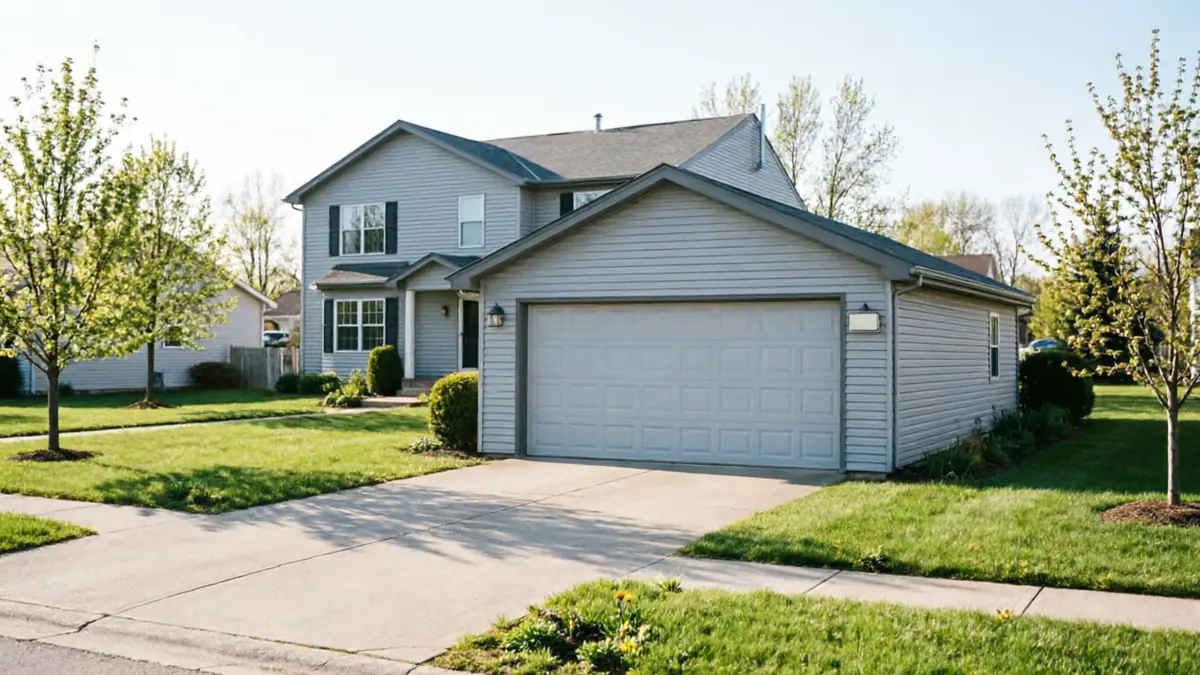
Park Ridge has a real mix of garage setups, and it comes straight from when the houses went up. A lot of this housing stock dates to 1938 through 1996, with the median build year sitting around 1971, so you've got older detached garages set back from the house next to newer attached two-car garages built or added on during the 60s and 70s boom. Detached garages from that older wave were often framed light, with headers sized for whatever door was standard at the time - usually single or narrow double wood doors on basic track. Attached garages from the same era tend to share a wall with living space, which changes what kind of door and seal actually makes sense. The problem shows up when a homeowner swaps a door without accounting for which type they have. A heavier insulated door on an old detached garage's undersized header can sag the opening over a few years. A non-insulated door on an attached garage next to a bedroom wall means noise and cold transfer the original builder never planned for.
What Local Conditions Do
This area sits in a cold moderate climate band, and that matters differently depending on whether the garage is attached or detached. On a detached garage, the door is basically exposed structure - temperature swings rack the panels and seize up hardware that doesn't get touched all winter, since nobody's walking through that door most days. On an attached garage, the door is doing double duty as part of the thermal envelope of the house. A door that doesn't seal tight on an attached garage lets cold air sit against the shared wall, and in houses built in the 1960s-70s - which covers most of the stock across the area's 80 named neighborhoods - that shared wall often has less insulation than code would call for today. So the same cold snap that just stiffens springs on a detached garage can actually push a utility bill up on an attached one. Hardware wears differently too: detached garage doors on original tracks from this era tend to run rollers that were never upgraded, while attached garage doors get cycled more often and show wear on the opener side first.
When to Get Help
Call when a detached garage door starts dragging on one side after a cold stretch - that's usually a track pulling away from framing that's seventy-plus years old in some of these pockets, not just a lubrication issue. Call when an attached garage door won't seal at the bottom corners, because that's the point where it's affecting the house, not just the garage. If you're in one of the closer-in areas - Niles, Rosemont, Harwood Heights, Schiller Park are all within a few miles - the housing patterns run similar enough that the same two checks apply. A door that's visibly bowed, that binds halfway up, or whose spring has let go entirely on an attached garage is worth a same-day look, since a stuck door there can mean no vehicle access and a security gap right next to the house. On a detached structure, a stuck door is inconvenient but rarely urgent.
Doing Nothing For Now
Not every issue needs a truck out right away. A detached garage door that's just noisy on a cold morning, with no dragging or binding, can usually wait - lubricate it and watch how it behaves over a week or two before calling anyone. We won't tell you to replace a door that's opening and closing fine just because it's old; plenty of original doors from the 1960s and 70s stock in this area still run fine on their hardware, detached or attached, and swapping one out before it actually fails is money you don't need to spend. Where we draw the line: if it's an attached garage and the door isn't sealing, don't wait through a full winter on that one, since the energy loss and the risk to the shared wall add up faster than people expect. Detached garages give you more room to watch and wait since there's no house wall on the other side of the problem.
Frequently asked questions
Does it matter if my garage is attached or detached when replacing the door?
Yes. An attached garage door is part of your home's insulation and needs a tighter seal and usually an insulated panel. A detached garage door mainly needs to match the original header and track sizing, which on homes built mid-century in this area often means it can't just take any off-the-shelf heavy door without reinforcing the opening first.
Why does my detached garage door stick more in winter than my neighbor's attached one?
A detached garage has no heated space next to it, so the door and track see the full swing of our cold moderate climate with nothing to buffer it. An attached garage door usually gets some residual warmth from the house side, which keeps hardware from seizing up as fast.
Is my older detached garage's door frame strong enough for a new insulated door?
Not always. A lot of detached garages here date from the 1938-1996 building wave, often framed for the lighter doors standard at the time. We check the header before recommending a heavier insulated door so you don't end up with a sagging opening a year later.
Related garage door services in Park Ridge
More garage door guides
Book garage door service in Park Ridge
Call now or request a quote - tell us what the door is doing and where you are.